Monthly Stargazing Calendar for May 2016
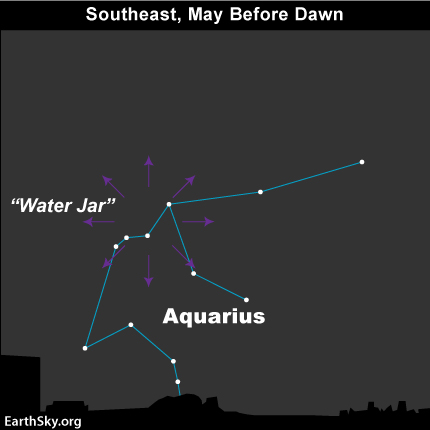
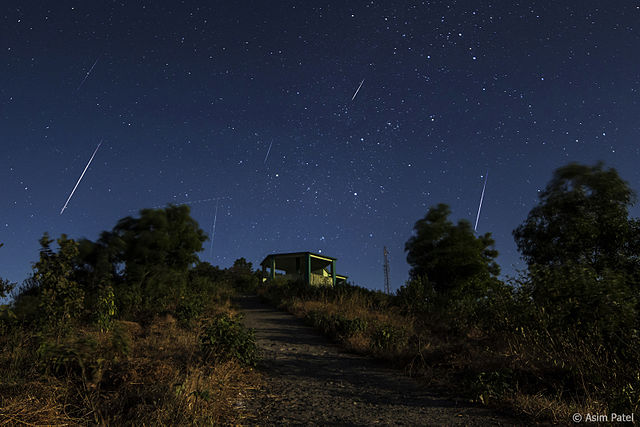
Early this month on the night of May 5 and 6 the Eta Aquarids meteor shower will peak. It is an above average shower, capable of producing up to 60 meteors per hour at its peak, however most of the activity will be seen in the Southern Hemisphere. In the Northern Hemisphere, the rate can reach only about 30 meteors per hour.
Monthly Stargazing Calendar for April 2016
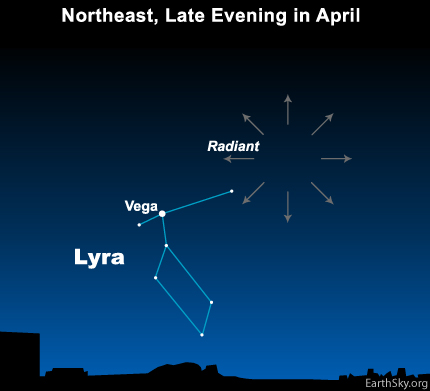
On the night of April 22 and 23 the Lyrids meteor shower will peak. It is an average shower, usually producing about 20 meteors per hour at its peak, although some meteors may be seen any time from April 16 to 25. It originates from dust particles left behind by comet C/1861 G1 Thatcher, which was discovered in 1861.
Monthly Stargazing Calendar for March 2016
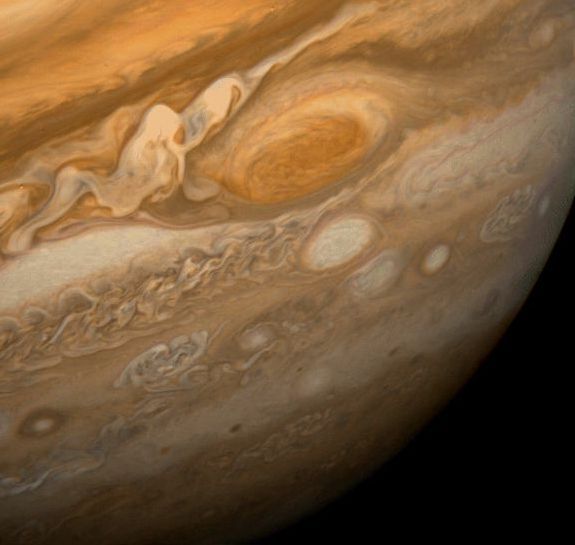
March 2016 brings exciting astronomical events: Jupiter at opposition, total solar eclipse, March equinox, and penumbral lunar eclipse. Explore more!
Monthly Stargazing Calendar for February 2016
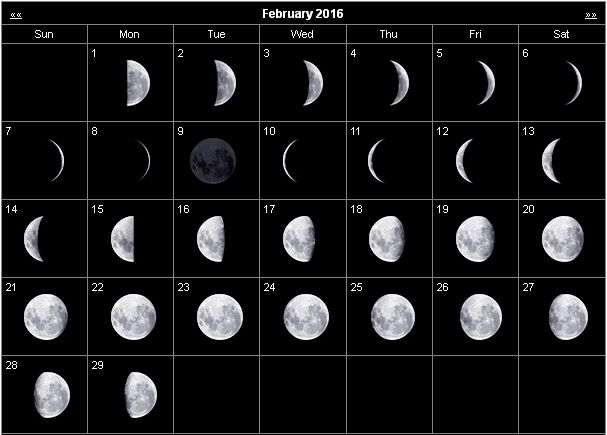
On February 7 Mercury will be at greatest western elongation of 25.6 degrees from the Sun. This makes it the best time to view Mercury since it will be at its highest point above the horizon in the morning sky. Look for the planet low in the eastern sky just before sunrise.
Monthly Stargazing Calendar for January 2016
On the night of January 3 and 4 the Quadrantids meteor shower will peak. It is an above average shower, with up to 40 meteors per hour at peak, although some meteors can be visible between January 1 and 5. The meteors originate from dust grains left behind by an extinct comet known as 2003 EH1, which was discovered in 2003.
Monthly Stargazing Calendar for December 2015
On the night of December 13 and 14 the Geminids meteor shower will peak. It is considered by many to be the best shower in the heavens, producing up to 120 multicolored meteors per hour at its peak. This is why it is known as the king of meteor showers. Some meteors can also be seen anytime from December 7 to 17.
Monthly Stargazing Calendar for November 2015
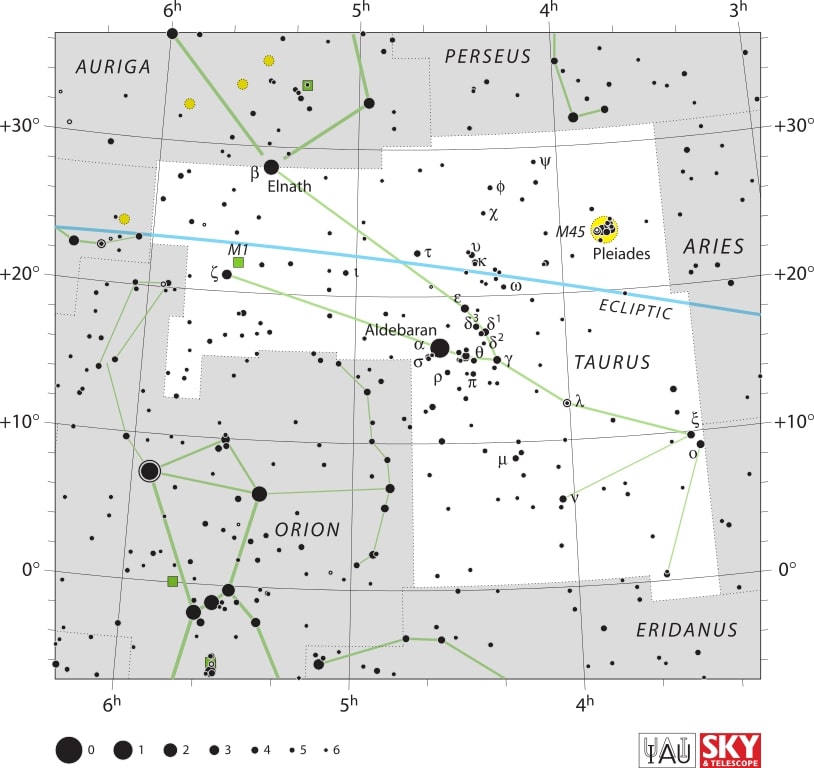
On the night of November 5 and 6 we will witness the peak of the Taurids meteor shower. It is a long-running minor meteor shower producing only about 5-10 meteors per hour at peak, while some meteors can also be seen from September 7 to December 10. However it is unusual in that it consists of two separate streams. The first is produced by dust grains left behind by Asteroid 2004 TG10. The second one is produced by debris left behind by Comet 2P Encke.
Monthly Stargazing Calendar for October 2015
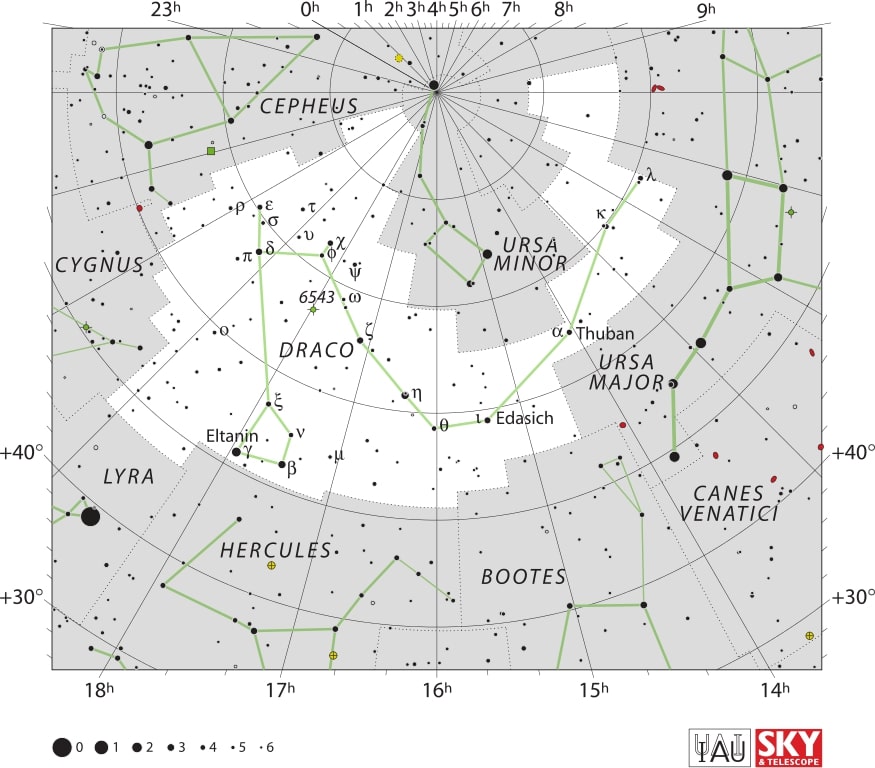
On October 8 we will witness the Draconids meteor shower. It is a minor meteor shower producing only about 10 meteors per hour originating from dust grains left behind by comet 21P Giacobini-Zinner, which was first discovered in 1900. The Draconids is an unusual shower in that the best viewing is in the early evening instead of early morning like most other showers.
Monthly Stargazing Calendar for November 2013
Earlier this month there were two major astronomical events: a hybrid solar eclipse on November 3rd and the Taurids meteor shower peak on the night of November 4 and 5. If you missed those two events, don't worry, there are two more coming up this month!
Monthly Stargazing Calendar for October 2013
Tonight (October 7 - 8) is the peak of the Draconids meteor shower. It is a minor meteor shower producing only about 10 meteors per hour during the peak, but some meteors can be seen one day before and after the peak. It originates from dust grains left behind by comet 21P Giacobini-Zinner, which was first discovered in 1900.
Ara Constellation
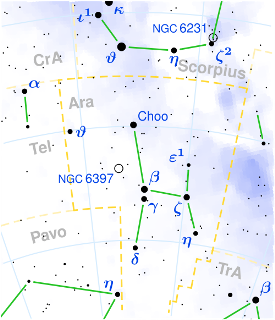
Explore the Ara constellation with its mythological roots, notable stars like Beta Arae, a star with planets, and fascinating deep-sky objects.
Aquila Constellation
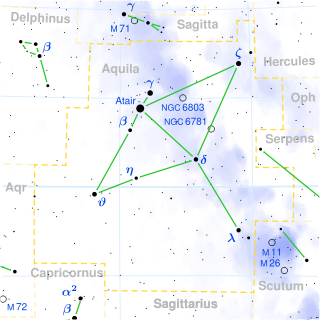
Discover Aquila, the eagle, in Greek mythology. Explore its notable stars like Altair and Alshain, as well as intriguing deep-sky objects.
Aquarius Constellation
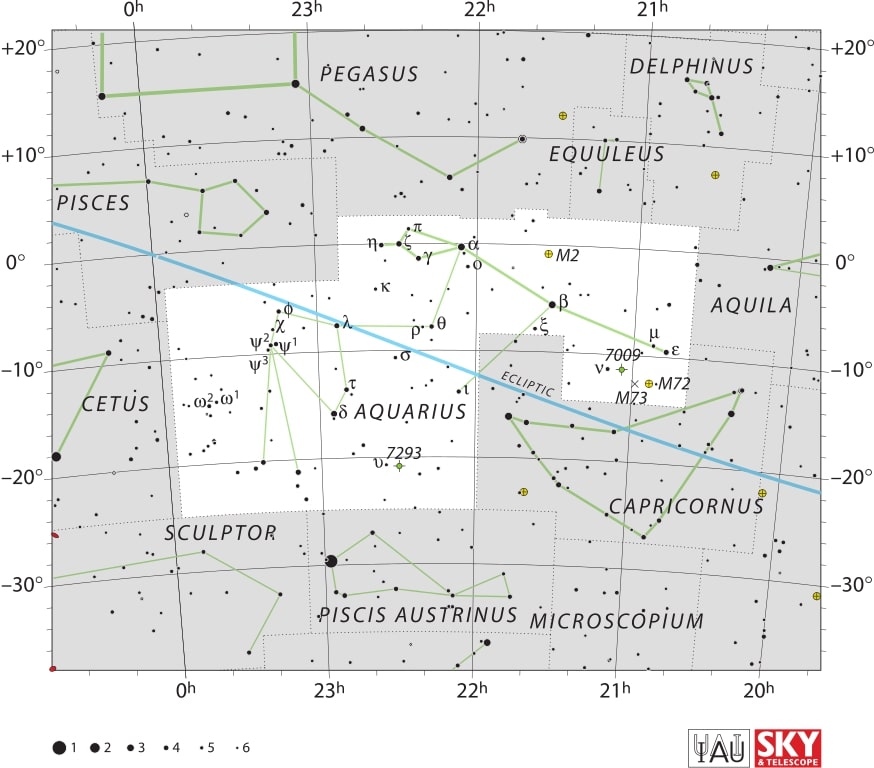
Explore the constellation Aquarius, the water-bearer. Discover its mythology, notable stars like Gliese 876, and captivating deep-sky objects like Messier 2.
Non-Rocket Spacelaunch – Advantages and Difficulties of a Launch Loop
Unlike conventional rockets, launch loops can have many launches per hour, independent of weather, and are not inherently polluting. Rockets create pollution such as nitrates in their exhausts due to high exhaust temperature, and can also create greenhouse gases depending on propellant choices. Launch loops require power in the form of electricity and as such it can be clean.
Non-Rocket Spacelaunch – Launch Loop
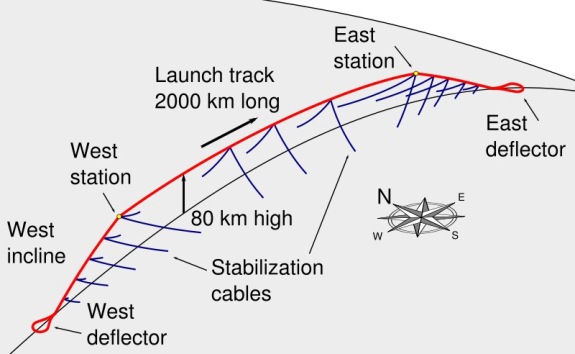
A launch loop (also known as a Lofstrom loop) is a proposed design for a very efficient non-rocket spacelaunch method. It is a much simpler concept than the space elevator, but still more complex than tether propulsion systems such as the rotovator.
Non-Rocket Spacelaunch – Tether propulsion in fiction
This is the fourth and final part of the tether propulsion article of the non-rocket spacelaunch methods article series. This post will focus on references to the tether propulsion concept in fiction. The most prominent science fiction novels on the subject include the following.
Non-Rocket Spacelaunch – Tether propulsion safety issues
The use of tethers in space poses many challenges and safety issues. This third part to the tether propulsion article will focus on those issues. A lot of the challenges and safety issues of a space tether system are similar to those of a space elevator described in a previous article, but some are unique to the space tether concept.
Non-Rocket Spacelaunch – Tether satellite missions
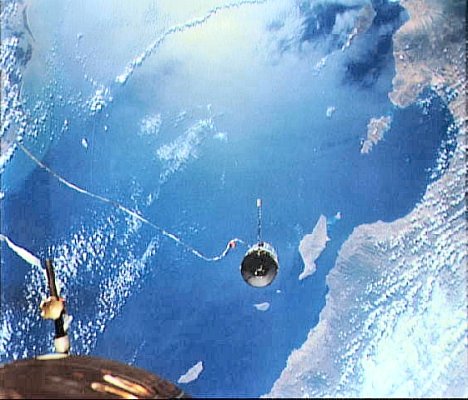
This is the second part to the article about tether propulsion. It will focus on space missions that tested tethers in space. The first such mission took place in 1966. Gemini 11 deployed a 30m tether connecting it to the Agena target vehicle. It created a small amount of artificial gravity (0.00015 g) by spinning the two spacecraft.
Non-Rocket Spacelaunch – Tether propulsion
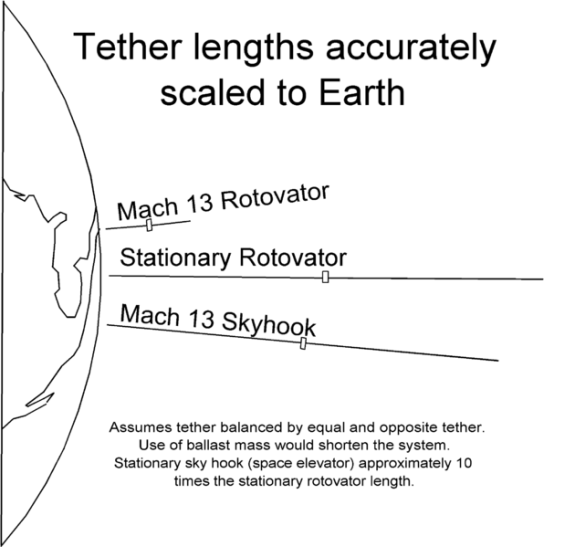
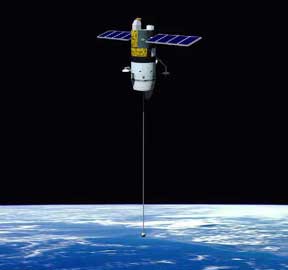
Tether propulsion consists in using long, very strong cables (known as tethers) to change the velocity of spacecraft and payloads. The tethers may be used to initiate launch, complete launch, or alter the orbit of a spacecraft. This form of propulsion would be significantly less expensive than spaceflight using modern rocket engines.
Non-Rocket Spacelaunch – Space Elevators in Fiction
This is the fourth and final part of the space elevator article of the non-rocket spacelaunch methods article series. This post will focus on references to the space elevator concept in fiction. The first mention of anything remotely similar to a space elevator was the beanstalk in the children's fairy tale called Jack and the Beanstalk, published in 1807.